


The sample that isn't theirs
The company you're talking to buys the sample from a better factory, takes your order and passes it to whoever will make it at a price that protects their margin. You find out when the container arrives.
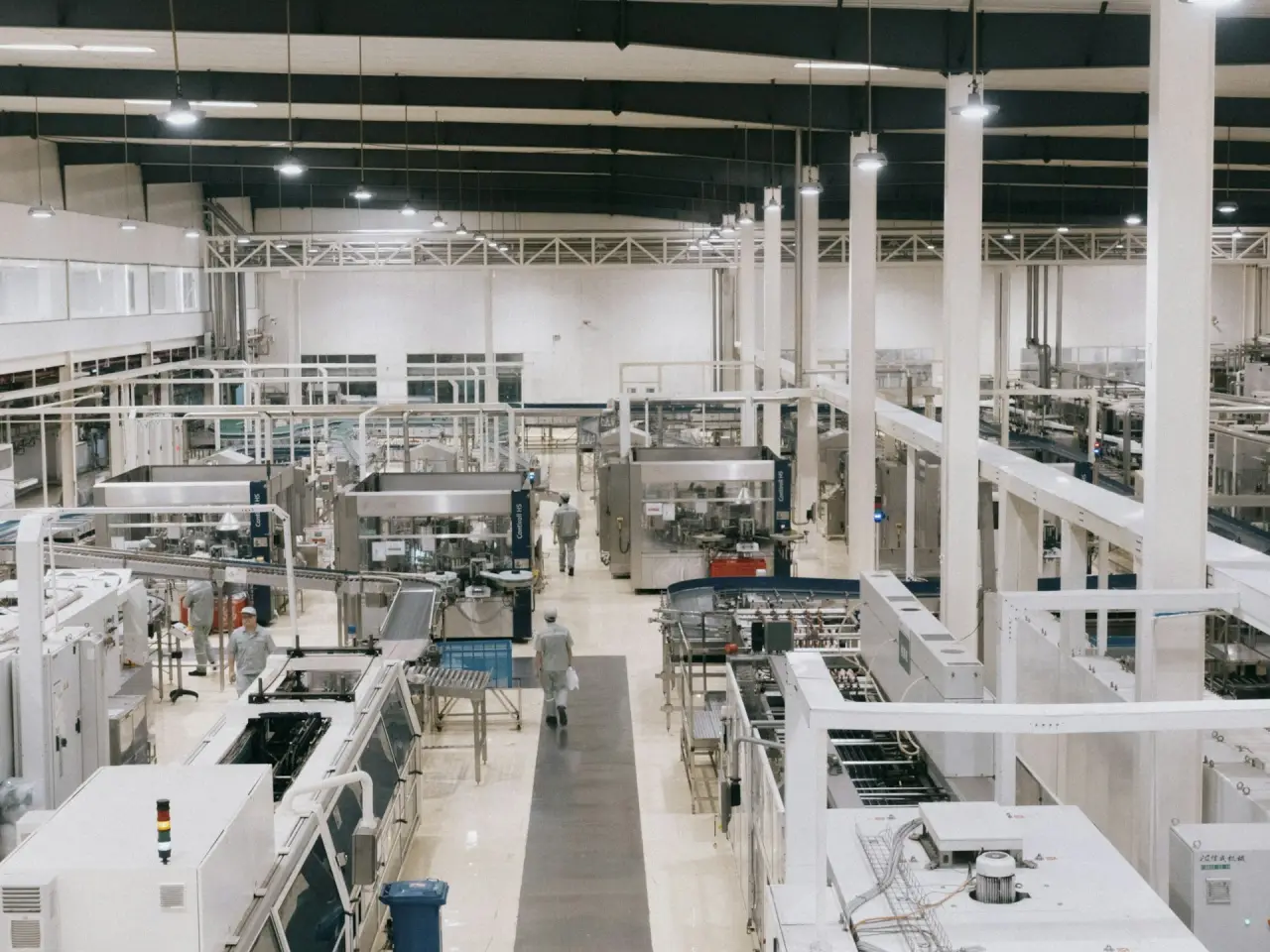
Before asking who manufactures, you need to know what you want to sell, to whom, and at what margin. Whoever starts from the supplier is already answering a question someone else framed badly.
That's why we don't come from the world of imports. We come from marketing and communication, and from there we reached the factory, because it was the only way to give our clients a product of their own instead of someone else's catalogue.
Those who can find you a factory can't build you an e-commerce site. Those who can build you an e-commerce site can't walk into a plant in Guangdong and tell whether that line holds up. We do both, and that's why we start from the end: from the shelf.

It didn't manufacture in-house, and from Italy you couldn't tell. On site we ruled it out and chose a direct manufacturer that already exported to Europe and showed us its certifications in the original. At the same price.
Read the three casesNone of these is a scam in the ordinary sense. They're routine practices, and from a computer screen they're invisible.
The company you're talking to buys the sample from a better factory, takes your order and passes it to whoever will make it at a price that protects their margin. You find out when the container arrives.
The goods leave compliant and arrive non-compliant, because a new EU restriction came into force in the meantime. It happens with textiles, steel and furniture: the rule changes while the container is at sea, and on arrival the goods can no longer be sold.
The first two batches are perfect. From the third, the specification drifts, one degree at a time, while the raw material price moves. The returns arrive a year and a half later.
Missing pieces, packaging that can't survive the sea, wasted space you pay for as if it were goods. You find out when the container is opened in Italy, by which point proving who is at fault is almost impossible.
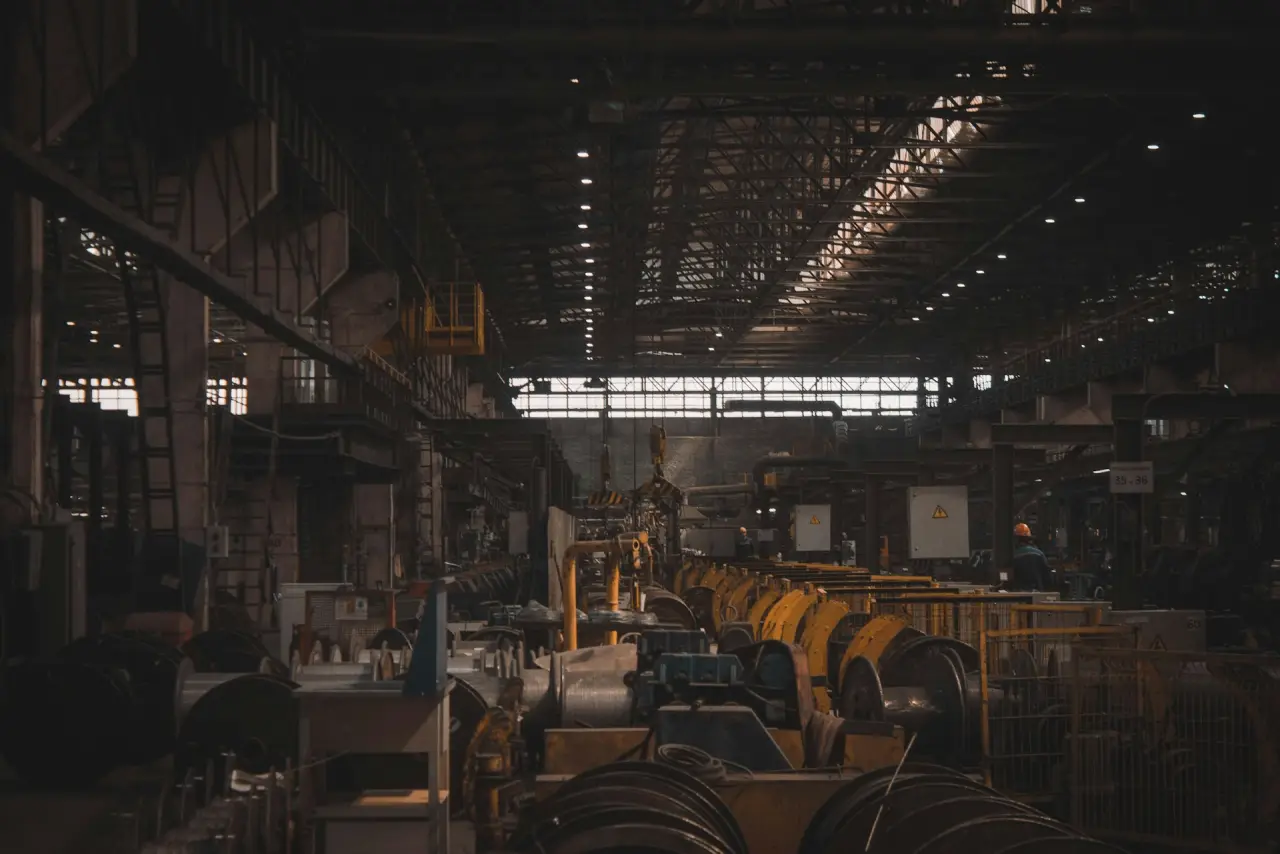
China makes sense on the ground, not on a video call.
Everyone sends something: a report, a profile, a contact. We could do the same, and it would cost us less. But it's in the evening, going through the day's notes, that decisions change, and that doesn't fit in a PDF.
«Being there was essential. If we hadn't come, I would have chosen the first one.»
The client in the stainless steel case
On both selection trips so far, the client came with us: they aren't buying a research service, they're buying the ability to decide.
Before boarding the plane, you've read the profile of every company, seen what they've made and know why they were selected. Nobody arrives empty-handed.
In the plant, it's you, us, an interpreter and someone who knows that way of working from the inside. We ask the questions in front of you, and explain why we're asking them.
At the end of the day everything goes on the table: what you saw, what we saw, what doesn't add up. It's the moment you learn the most, and sometimes you change your mind.
We say what we would do and why, frankly. Then you decide, and you reach that decision knowing exactly what it's based on.
To whom, at what price, through which channel, with what margin. It's the phase almost nobody does, and it determines all the others: a product with no market doesn't need a factory.
Regulatory framework, red tape, legal aspects and import regime, studied with specialised consultants. Before looking for who manufactures, you know what the product will have to comply with on arrival.
Our local contact and their team identify, approach and interview the people in charge: how the company is organised, what it has already exported to the EU or the US, for which clients and for how long, certifications, references, real production capacity.
The list for the journey is built. But the search doesn't stop: it carries on in parallel, and the companies within reach are visited in person even before you set off.
Tour of the selected plants with interpreters and local expertise. You meet the people in charge, verify certifications, the production chain and final quality. You come back with a decision, not with brochures.
Custom sampling where needed, legal checks, commercial agreements and the export supply chain. Price is negotiated last, after tolerances and inspection rights.
Goods are counted and checked one by one, packaging redone where it won't survive the journey, space optimised so you don't pay for air, last-minute additions handled on site. And someone you trust watches that container close.
Customs clearance, compliance documentation, EU responsible party and storage, with our trusted partner in Italy. You receive the goods, not the paperwork.
The circle closes where it opened. E-commerce, marketplaces, positioning, content and distribution: the part you called us for at phase zero.
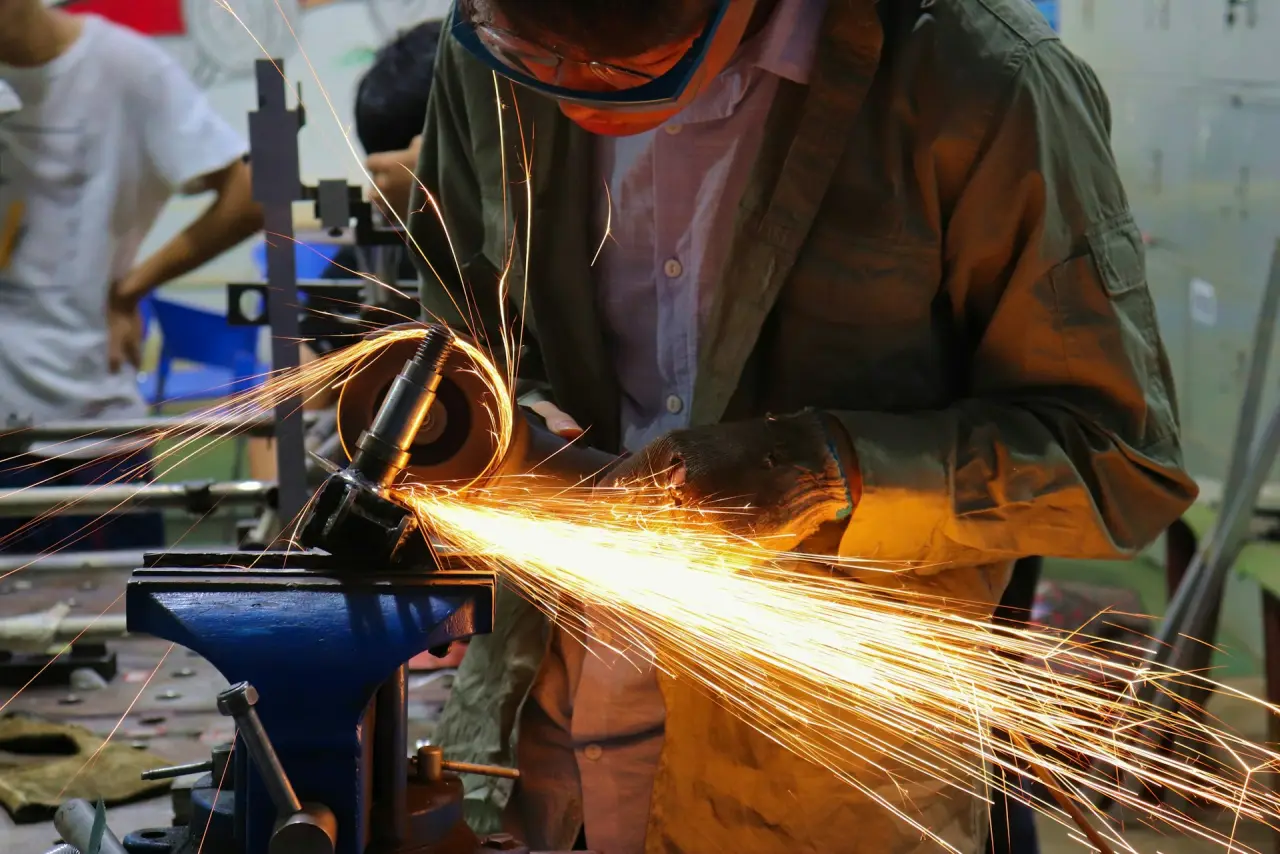
A supplier is not judged by its catalogue.
Each one steps in at the phases where it's needed, and all of them answer to us: coordination is our job, not yours.
Owns the project from idea to shelf, leads the trip and the daily debrief.
Phases 00 · 03 · 04 · 08Regulations, customs, contracts, import taxation.
Phases 01 · 05Identifies, interviews, visits, oversees production up to loading.
Phases 02 · 03 · 04 · 05 · 06Technical interpreting and reading the context, where words aren't enough. Thirty years spent living in Italy.
Phase 04Customs clearance, storage, arrival logistics.
Phase 07The right cost for the quality you need isn't a slogan: it's a difference that can be calculated. Four items, all verifiable on your profit and loss statement.
Someone you trust watches the container being sealed.
Client names stay confidential, always. What we can show you is the judgement, which is what you pay us for.
Micro business · started before 2024 · 6-12 months from first meeting to first container
They already had a supplier and were no longer convinced. Remotely we spoke to fewer than ten companies and ruled out those that did not manufacture in-house, had never exported to Europe, could not show verifiable certifications or asked for minimum order quantities out of proportion to the project. Then eleven to fifteen days in China with the client, across Guangdong, Zhejiang and Fujian, visiting four to six factories.
The best candidate on paper was an intermediary: it did not manufacture in-house. We chose a direct manufacturer that already exported to Europe, with certifications seen in the original and quality seen on the line. At the same price.
The problems came at loading. Today the client still works with that supplier, and their costs are lower than with the previous one.
Micro business · 2024 · 6-12 months from first meeting to first container
Until then they mostly sold second-hand. They were looking for their first supplier: higher quality, lower cost and a product under their own brand to distribute. Ten to twenty companies screened remotely, then more than fifteen days in China with the client, across Guangdong, Zhejiang and Shandong, visiting at least eight factories.
Here too the best candidate on paper was an intermediary. The supplier we chose manufactures in-house, already exported to Europe, showed us its certifications in the original and agreed to produce under the client's brand. At the same price.
The first sample did not meet the specification and we had it remade. Today the client sells a new line under its own brand, is more competitive and still works with that supplier.
Micro business · 2025 · 3-6 months from first meeting to online shop live
They resell furniture bought in China, from suppliers they had already chosen. They asked us for the online shop, social media to promote it and help with orders, shipping and imports.
Here there was no supplier to reject. We built the online shop and social channels and handled orders, shipping and imports. The problems came with the goods: shipments arriving with damaged or missing pieces.
Today they sell online, social media brings them enquiries and sales, and we still work together.
Every week, one product to import from China, studied the way we would study it for you: market, suppliers, landed costs, scenarios and evidence. The figures are the ones on the day we read them, and we say so.
A single container comes out close to break-even. It pays with a programme of several containers, with a repeat order or with seasonal rental.
03/11/2026
Tell us in a couple of lines what you want to make and for which market. We reply within two working days, even when the answer is no.
The news of recent weeks that changes something for anyone with an order in China, with the source.
Freight and logistics
Drewry expects another slight increase next week, because capacity is tight. If your goods are ready in November and you have no contract rate, the spot rate will probably be higher than at the end of September, and with more cancellations the risk of missing the booked vessel grows.
Source: Drewry, World Container Index, 22/10/2026
Freight and logistics
For anyone importing through Genoa, La Spezia or Trieste the shorter route is available again on most services, but not all: some go through the Red Sea outbound and return via the Cape of Good Hope, and some carriers keep Cape routings as a fallback. Transit time now depends on the individual service, not on the carrier.
Source: The Loadstar (Alphaliner data), 21/10/2026
Strategy and China+1
Vietnam is now an established channel into Europe, but the EU rules mentioned in the article (Green Deal, CBAM, EUDR) apply there too, and the advantage of the first free trade agreement is shrinking as the EU closes deals with India, Indonesia and the Philippines. For a China+1 strategy, Vietnam reduces dependence on one country, not the compliance obligations.
Source: VietnamPlus / VNA (Vietnam National Statistics Office data), 20/10/2026
You pay for the advice, not on the goods: we take no percentage of the order value. The quote comes after the first assessment, once we know whether the project stands up.
On the two supplier-selection projects we describe, six to twelve months passed between the first meeting and the first container, with a trip of eleven to more than fifteen days on the ground. Building online sales for a product already bought in China took three to six months.
Every phase ends with a deliverable you keep. If a phase says stop, we stop: an order stopped before the deposit costs a trip; the same order stopped at the third batch costs the batch, the returns and a supplier search from scratch.
Because on both supplier selections, the best candidate on paper was an intermediary, and from a distance you couldn't tell. We walk into the factories with you, explain our questions as we ask them, and the choice stays yours. And since we take no percentage on the goods, we have no reason to steer you towards one supplier over another.
ADVISORINCHINA is a company being incorporated, and we say so at the bottom of every page. The project grew out of Inlogico, the marketing and communication agency that handles phase zero and phase eight and, until incorporation, is the data controller for this website. The cases we publish are real projects, told as they happened.
All three cases we describe are micro businesses with fewer than ten employees. What we look at is something else: that the product has a market in Italy, that the volume justifies a dedicated supply chain, and that someone in the company makes decisions and is willing to get on the plane.
We take on one project at a time, because we go in person and we travel with you. Before we talk about quotes, we check whether the project stands up, and if it doesn't, we tell you straight away.